Air Bending vs. Bottoming vs. Coining: Which Method Should You Use?
July 13, 2026
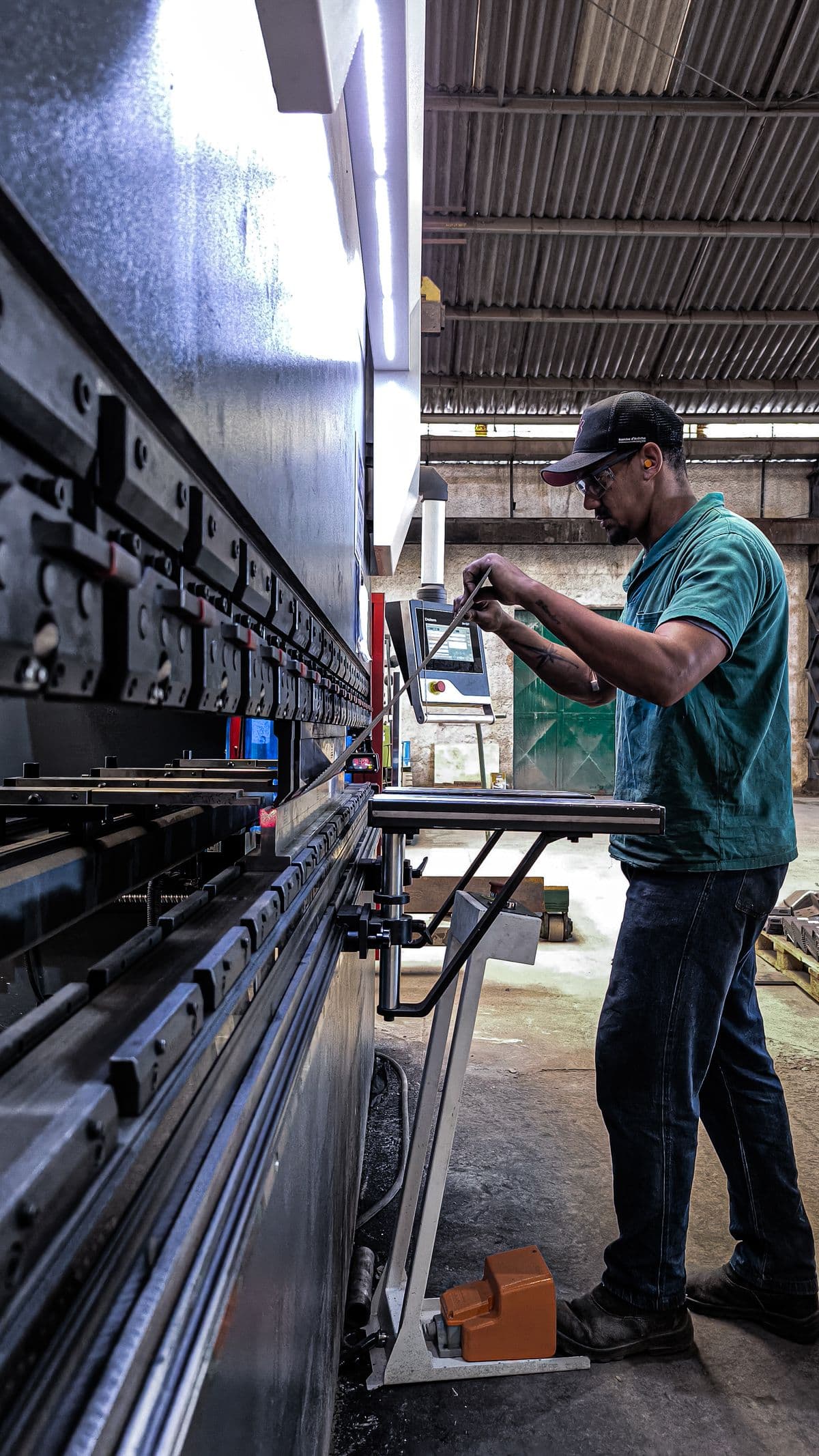
Every bend you make on a press brake uses one of three fundamental methods, each defined by how far the punch drives the sheet into the die: air bending, bottoming, and coining.
Air Bending
In air bending the punch presses the sheet into a V-die without the material ever touching the bottom of the V. The bend angle is set purely by how deep the ram descends, so a single tool set can produce many angles. Air bending needs the least tonnage, offers the most flexibility, and gives an angular accuracy of about ±0.5°. Its main drawback is sensitivity to material thickness and springback variation.
Bottoming
In bottoming the sheet is pressed firmly against the walls of the V-die. The optimum V-opening ranges from about 6× material thickness for thin sheet up to roughly 12× for thick plate. Bottoming delivers better angular accuracy and less springback than air bending, but you need a different die for each angle and thickness.
Coining
Coining forces the material into the die with 5 to 30 times the force of air bending, permanently deforming it through its full thickness. It produces extremely accurate angles with almost no springback and inside radii as small as 0.4× thickness — but the high tonnage and tool cost mean it is reserved for the most demanding jobs.
Choosing the Right Method
For most fabrication, air bending is the default choice thanks to its flexibility and low tooling cost. Move to bottoming when you need tighter angle tolerances, and reserve coining for precision parts where springback simply cannot be tolerated.