85 Series B Station Rolling Offset Thick Turret Tooling
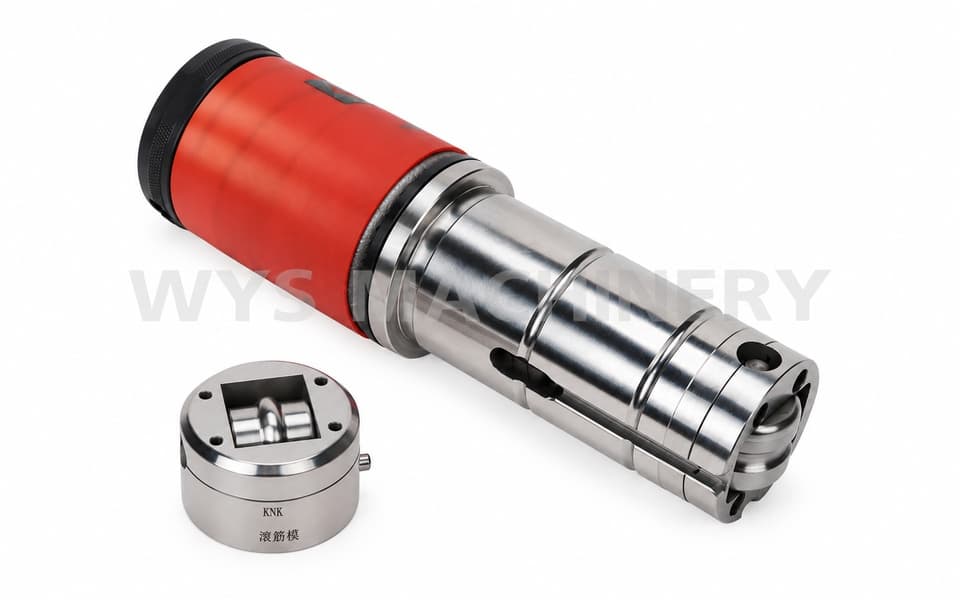
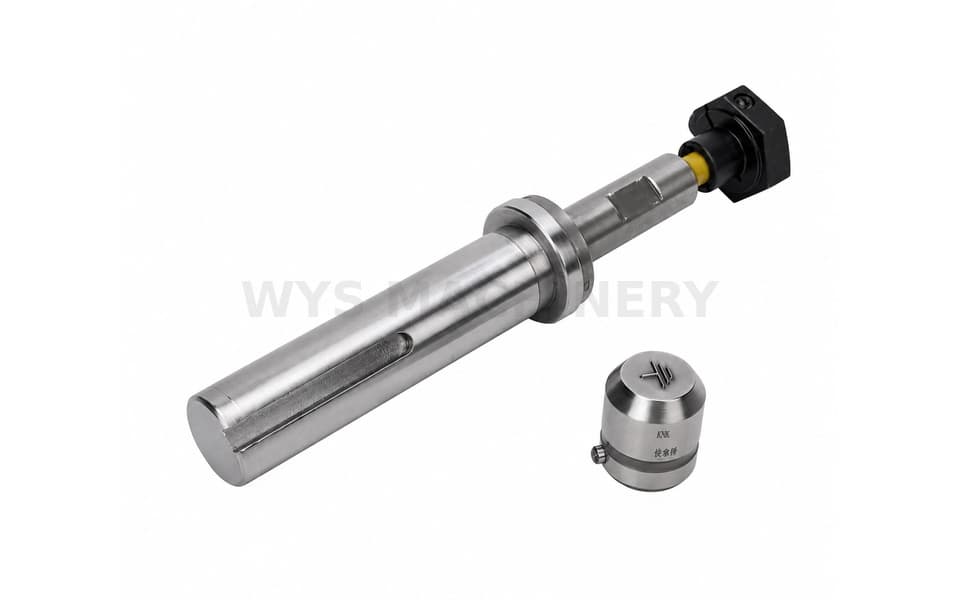
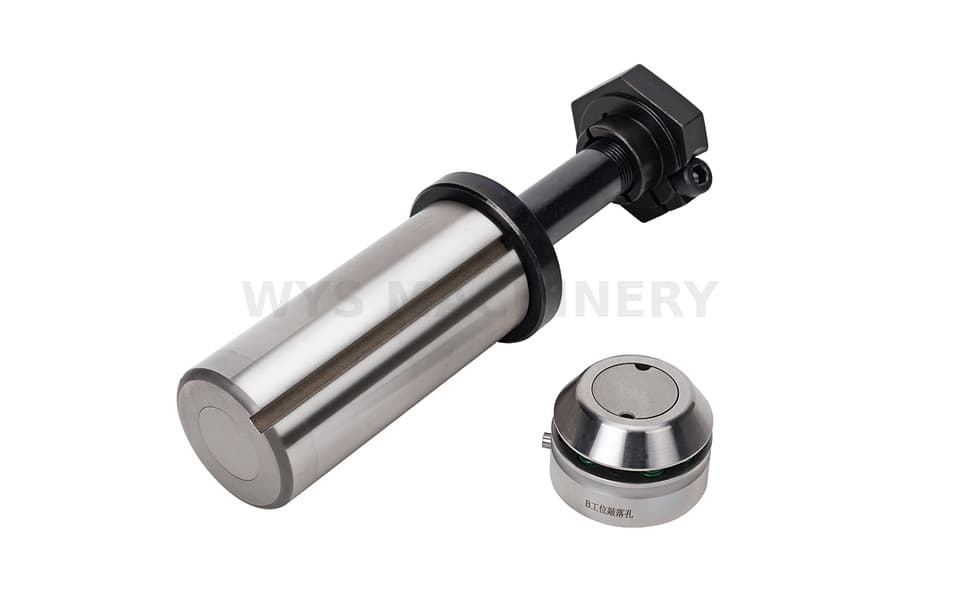
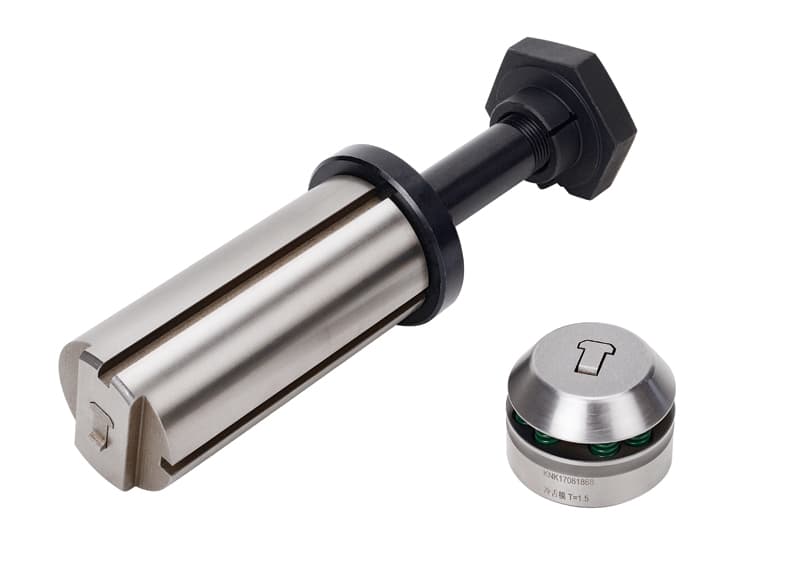
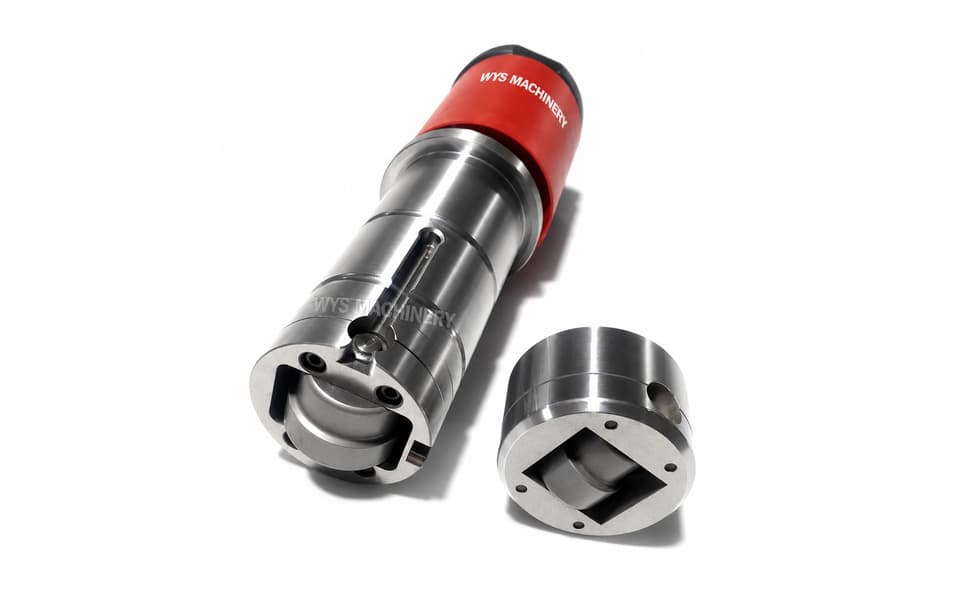
The 85 Series B Station Rolling Offset Tool is a thick turret forming tool designed to create continuous steps, offsets and Z-shaped height transitions in sheet metal. Matched upper and lower rollers progressively form the sheet along a programmed path, producing smooth straight or contoured offsets with minimal nibble marks. Offset height, forming width, roller geometry and optional TiN or TiCN coating can be customized according to the material, thickness, finished-part drawing and punch press configuration.
Please add the quotation and send it to us and get in touch with us immediately
- Global service 24/7
- Lowest price for all products
- Best quality with Production Process
- After-Sale Warranty
- Technical Support
Description
The 85 Series B Station Rolling Offset Thick Turret Tooling is engineered to form continuous offsets and stepped profiles directly on a compatible CNC turret punch press.
During operation, the sheet is progressively formed between matched upper and lower rollers. As the machine moves the sheet along the programmed path, the rollers create a controlled height difference between the sheet surfaces on opposite sides of the formed contour. This produces an offset or Z-shaped cross-section rather than the reinforcing bead created by a rolling rib tool.
The rolling process can produce smoother and more continuous profiles than conventional progressive-hit forming, helping reduce visible nibble marks, localized distortion and additional forming operations. Depending on the machine capabilities and tooling configuration, the tool can form straight lines, curved paths and custom contours.
This tool uses the 85 Series B Station thick turret configuration. The required offset height, forming width, minimum contour radius, rolling direction and roller profile can be customized according to the customer’s sheet material, thickness, machine model and finished-part drawing.
Optional TiN or TiCN coatings are available for suitable working components to improve surface hardness, wear resistance and lubricity in demanding sheet metal forming applications.
Key Features
- 85 Series thick turret tooling configuration
- B Station rolling forming tool
- Creates continuous sheet metal offsets and steps
- Produces Z-shaped height transitions
- Matched upper and lower roller assemblies
- Suitable for straight and contoured offset paths
- Smooth rolling action with minimal nibble marks
- Offset can begin or end at programmed positions
- Upward or downward forming available according to configuration
- Helps reduce conventional progressive forming marks
- May eliminate separate press brake forming operations
- Suitable for mild steel, stainless steel and aluminum
- Custom offset height and forming width
- Custom roller profiles for different applications
- Optional TiN or TiCN coating
- Free tooling design support based on customer drawings
Technical Specifications
| Specification | Details |
|---|---|
| Tool Category | Thick Turret Punch Press Tooling |
| Tool Type | Rolling Offset Forming Tool |
| Series | 85 Series |
| Station | B Station |
| Forming Method | Continuous Roller Forming |
| Formed Profile | Offset, Step or Z-Shaped Transition |
| Tool Configuration | Matched Upper and Lower Roller Assemblies |
| Forming Path | Straight or Contoured, Subject to Machine Capability |
| Forming Direction | Upward or Downward, Depending on Tool Configuration |
| Offset Height | Customized According to Application |
| Forming Width | Customized According to Application |
| Minimum Forming Radius | Confirmed According to Machine and Tool Design |
| Applicable Materials | Mild Steel, Stainless Steel, Aluminum and Other Suitable Sheet Metals |
| Material Thickness | Confirmed According to Material and Required Offset |
| Optional Coating | TiN or TiCN |
| Machine Requirement | Compatible Ram-Down Forming and Sheet-Movement Capability |
| Auto-Index Station | Recommended for Flexible Contour Forming |
| Customization | Offset Height, Width, Roller Profile, Coating and Configuration |
Rolling Offset vs. Rolling Rib Tooling
| Comparison | Rolling Offset Tool | Rolling Rib Tool |
|---|---|---|
| Main Function | Creates a step or height difference | Creates a reinforcing rib or bead |
| Cross-Section | Offset or Z-shaped profile | Raised or recessed rib |
| Sheet Levels | Opposite sides are at different levels | Both sides generally remain on the same base plane |
| Typical Purpose | Clearance, stepped assembly and flush joints | Reinforcement, stiffening and decoration |
| Recommended English Name | Rolling Offset Tool | Rolling Rib Tool |
How the Rolling Offset Tool Works
The upper and lower rollers engage the sheet while the punch press holds the tool in the forming position. The machine then moves the sheet along the programmed X- and Y-axis path.
The matched rollers progressively displace the material and create a continuous offset. When used in a compatible auto-index station, the tool can follow changes in direction and produce curved or custom-shaped contours.
Depending on the roller arrangement and sheet travel direction, the offset may be formed upward or downward. Tool design must therefore consider the finished-part orientation, sheet thickness, offset height and available machine clearance.
Typical Applications
The 85 Series B Station rolling offset tool can be used for:
- Electrical cabinets and control enclosures
- Switchgear and distribution equipment
- Sheet metal housings and covers
- HVAC and ventilation components
- Access panels and service doors
- Electronic equipment cabinets
- Metal furniture and storage systems
- Automotive sheet metal components
- Machinery guards and protective panels
- Appliance panels
- Elevator components
- Architectural sheet metal products
- General precision sheet metal fabrication
Typical forming purposes include:
- Creating flush panel joints
- Producing recessed access panels
- Providing clearance for fasteners or internal components
- Forming overlapping assembly edges
- Connecting sheet surfaces at different heights
- Creating stepped decorative contours
- Producing upward or downward offsets
- Reducing secondary bending operations
Machine and Programming Requirements
Rolling offset tooling requires a compatible punch press capable of maintaining the tool in the forming position while moving the sheet along the programmed path.
For curved contours or changes in forming direction, an auto-index station is normally recommended. The actual forming capability depends on the punch press model, control system, ram-down function and sheet movement during forming.
The following information should be provided before tooling design:
- Punch press manufacturer and model
- Tooling series and station size
- Auto-index capability
- Ram-down forming capability
- Sheet material
- Material thickness
- Required offset height
- Required forming width
- Minimum contour radius
- Upward or downward forming direction
- Finished-part drawing
Optional TiN and TiCN Coatings
TiN Coating
TiN provides a hard, low-friction surface that can help reduce adhesive wear and improve the durability of suitable working components. It is a practical option for many general-purpose sheet metal applications.
TiCN Coating
TiCN provides higher hardness and enhanced resistance to abrasive and adhesive wear. It may be selected for stainless steel, higher-strength materials, longer rolling paths or high-volume production.
Coating availability and suitability should be confirmed according to the roller material, sheet material, forming pressure and required production conditions.
Maintenance and Service Life
Rolling offset tooling forms the sheet through continuous roller contact and does not use a conventional cutting edge. Therefore, its maintenance interval should not be calculated using the same “hits before regrinding” standard applied to round or shaped cutting punches.
The condition of the tool should be evaluated according to:
- Total rolling distance
- Roller surface wear
- Roller rotation and bearing condition
- Offset height consistency
- Formed profile accuracy
- Sheet surface quality
- Upper and lower tool alignment
- Lubrication
- Abnormal noise or resistance
- Wear of replaceable components
Regular inspection, correct alignment and suitable lubrication help maintain forming quality and extend the service life of the roller assemblies.
General Cutting Tool Performance Reference
The following values are general references for conventional cutting punches and dies supplied by WYS Machinery. They should not be treated as the regrinding interval or guaranteed service life of this rolling offset forming tool.
Typical Hits Before Regrinding
| Sheet Material | Approximate Hits Before Regrinding |
|---|---|
| Stainless Steel | Approximately 300,000 hits |
| Mild Steel | Approximately 500,000 hits |
Typical Total Service Life
| Cutting Tool Profile | Approximate Total Service Life |
|---|---|
| Round Cutting Tooling | Approximately 800,000 hits |
| Shaped Cutting Tooling | Approximately 600,000–700,000 hits |
Actual cutting-tool performance depends on the sheet material, thickness, tensile strength, punch-to-die clearance, lubrication, coating, machine alignment, punching speed and maintenance conditions.
Manufacturing Quality
The upper and lower roller assemblies are precision-machined and carefully matched to support stable material flow and consistent offset formation.
Controlled manufacturing processes help maintain accurate roller geometry, alignment and rotational performance. Smooth working surfaces reduce unnecessary friction and help minimize scratches or irregular forming marks on the finished sheet.
Accurate alignment between the upper and lower assemblies is especially important. Incorrect setup may cause inconsistent offset height, excessive resistance, surface damage or premature roller wear.
WYS Machinery can provide complete tooling assemblies as well as replacement rollers and other applicable wear components.
Standard and Custom Thick Turret Punch Tooling
WYS Machinery supplies standard and custom thick turret tooling for punching, cutting, forming, marking and rolling applications.
Customers can provide their finished-part drawings, cross-sectional profiles, sheet material, thickness and punch press information. Our engineering team can then recommend the suitable station, tool configuration, roller profile, forming direction, coating and operating parameters.
Available customization options include:
- Custom offset height
- Custom forming width
- Straight or contoured offset profiles
- Upward or downward forming
- Custom upper and lower rollers
- Material-specific roller geometry
- Custom minimum forming radius
- TiN or TiCN coating
- Replacement rollers and wear components
- Complete upper and lower assemblies
- Tooling designed from customer drawings
- OEM and private-label manufacturing
Custom Forming Tool Capabilities
WYS Machinery can also design and manufacture:
- Cluster Tools
- Knockout Tools
- Embossing Tools
- Extrusion Forming Tools
- Extrusion and Tapping Tools
- Bridge Forming Tools
- Pedestal Extrusion and Embossing Tools
- Louver Forming Tools
- Multi-Scribe Tools
- Sheet Marking Tools
- Lance-and-Form Tools
- Progressive Rib Tools
- Up-Bending Tools
- Hinge Tools
- Rolling Pincher Tools
- Rolling Shear Tools
- Rolling Rib Tools
- Rolling Offset Tools
These forming tools can be developed according to the customer’s finished-part drawing, sheet material, material thickness, forming dimensions, station size and machine configuration.