85 Series D Station 30X60 Rectangular Embossing Tool
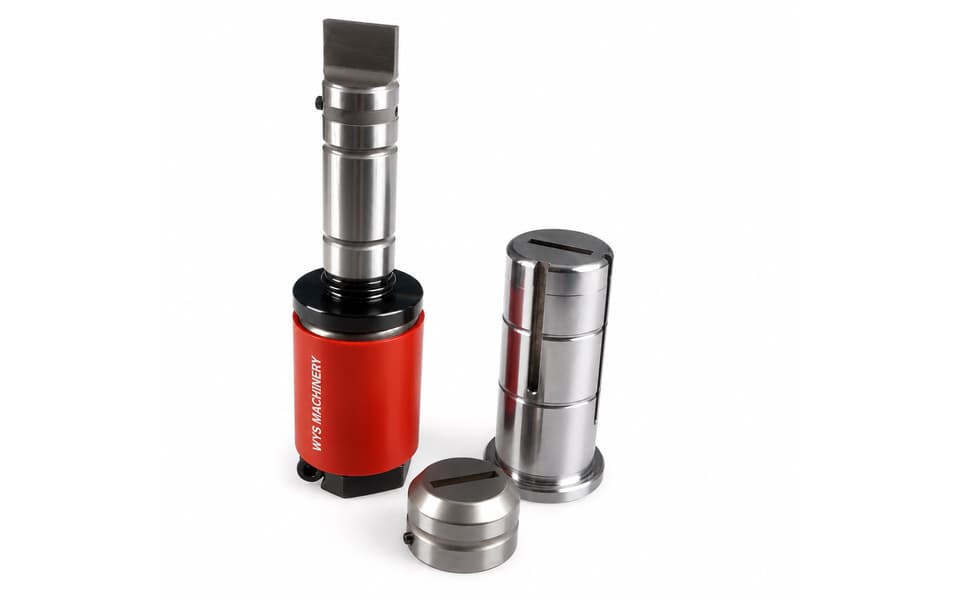
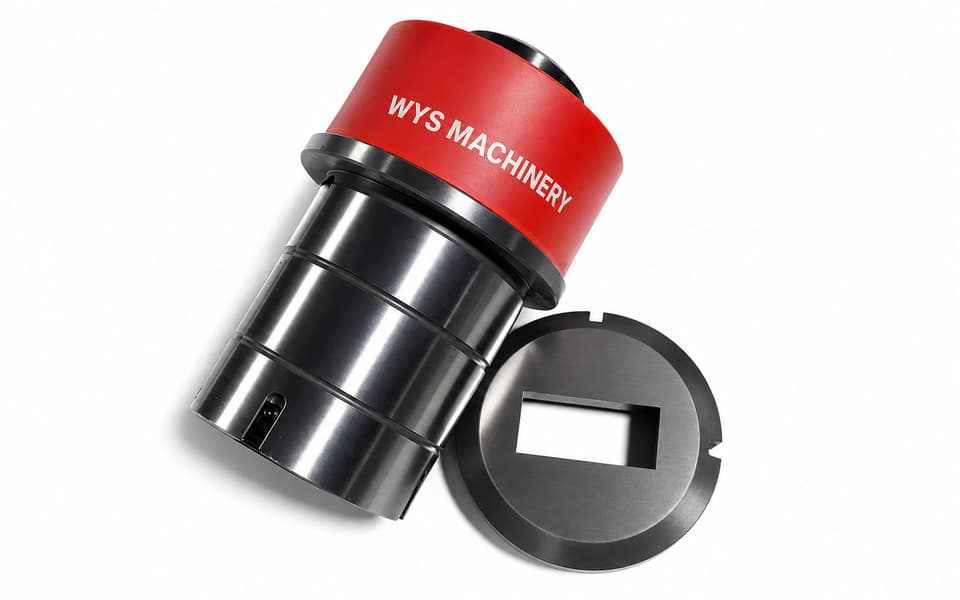
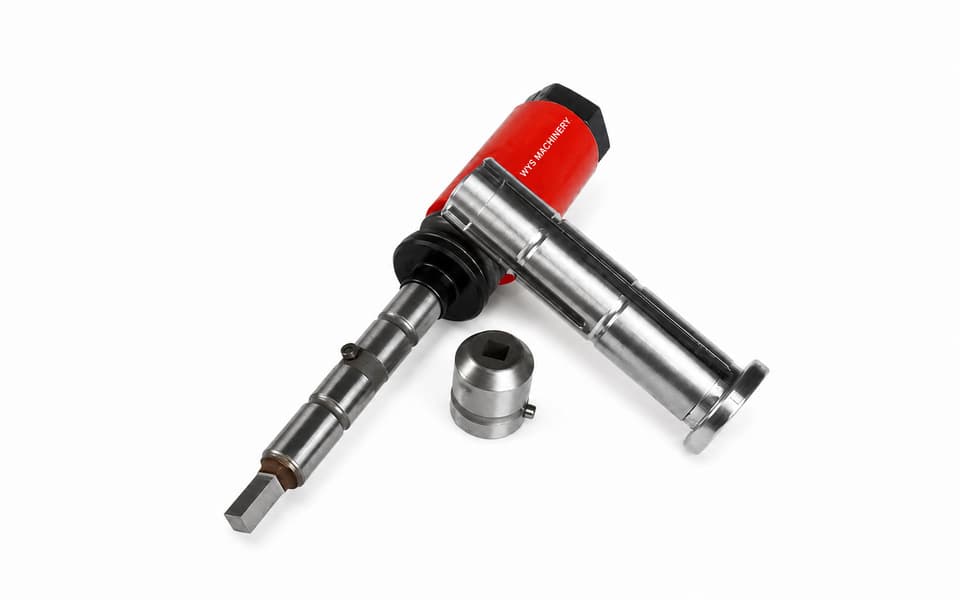
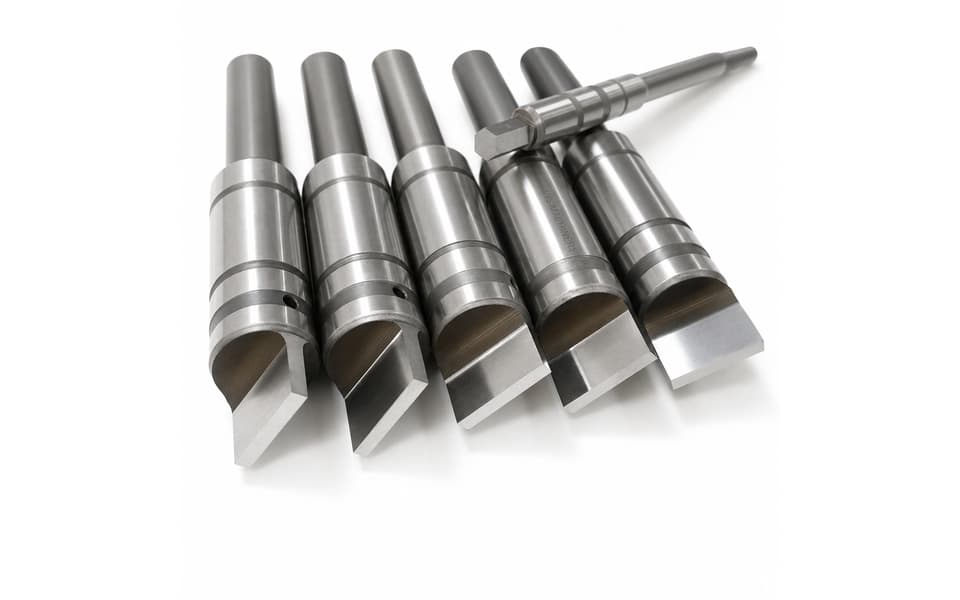
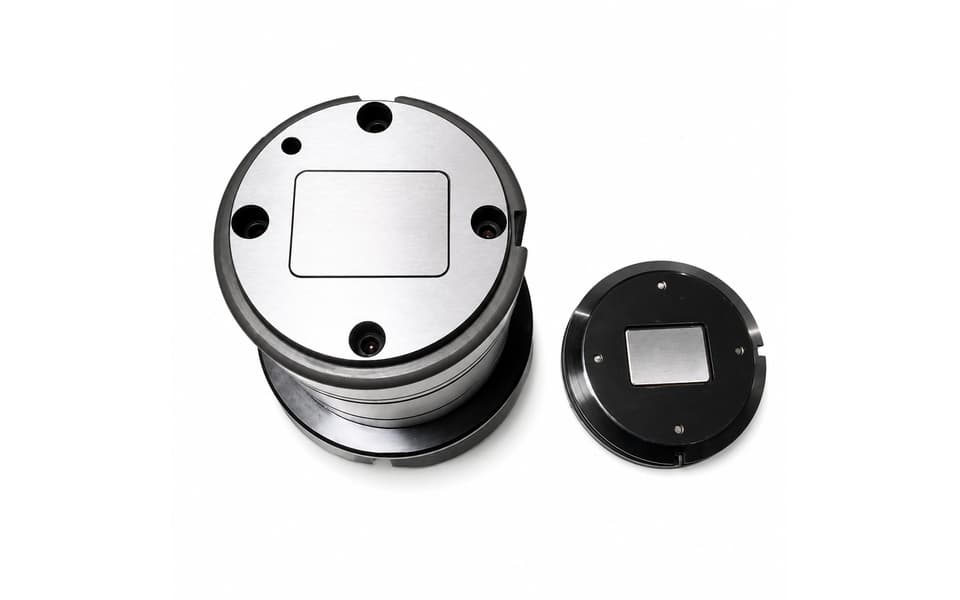
The 85 Series D Station 30X60 Rectangular Embossing Tool is a complete thick turret forming set designed to create a 30 × 60 mm raised rectangular emboss in sheet metal. The matched upper and lower forming components displace the material without cutting it, producing a controlled raised pad for reinforcement, component clearance, mounting or decorative applications. Emboss height, corner radius, forming direction and tool geometry can be customized according to the sheet material, thickness and finished-part drawing.
Please add the quotation and send it to us and get in touch with us immediately
- Global service 24/7
- Lowest price for all products
- Best quality with Production Process
- After-Sale Warranty
- Technical Support
Description
The 85 Series D Station 30X60 Rectangular Embossing Tool is designed to form a raised rectangular feature measuring approximately 30 × 60 mm on compatible CNC thick turret punch presses.
Unlike conventional rectangular punches and dies that cut and remove a slug from the sheet, this tooling plastically deforms the material between matched upper and lower forming components. The result is a rectangular raised emboss while the sheet remains substantially intact.
The raised feature can be used to increase local stiffness, provide clearance for internal components, create a raised mounting surface or add a three-dimensional design element to the finished part.
This product is supplied as a complete forming set. It includes the upper forming assembly and the corresponding lower forming tool required to produce the rectangular emboss.
The nominal emboss footprint is 30 × 60 mm. The finished dimensions, emboss height, corner radius and side-wall transition must be engineered according to the customer’s sheet material, thickness, forming direction and required part geometry. Material flow and springback can affect the final feature, so the finished-part drawing should be reviewed before tooling manufacture.
WYS Machinery provides free tooling-design support and can customize the tool profile, emboss height, radii, surface treatment and assembly configuration according to the customer’s application and punch press model.
Key Features
- 85 Series thick turret forming tooling
- D Station complete forming set
- Creates a 30 × 60 mm rectangular raised emboss
- Forms the material without cutting or producing a slug
- Matched upper and lower forming components
- Suitable for local sheet reinforcement
- Creates clearance for components or hardware
- Can produce raised mounting surfaces
- Emboss height can be customized
- Corner and transition radii can be customized
- Upward or downward forming available according to configuration
- Tool geometry developed according to material and thickness
- Precision-machined forming surfaces
- Optional wear-resistant coating for applicable components
- Free tooling design support based on finished-part drawings
Technical Specifications
| Specification | Details |
|---|---|
| Tool Category | Thick Turret Forming Tooling |
| Tool Type | Rectangular Embossing Tool |
| Product Configuration | Complete Upper and Lower Forming Set |
| Series | 85 Series |
| Station | D Station |
| Formed Feature | Raised Rectangular Emboss |
| Nominal Emboss Size | 30 × 60 mm |
| Forming Method | Plastic Deformation Without Material Removal |
| Forming Direction | Upward or Downward, Depending on Configuration |
| Emboss Height | Customized According to Application |
| Corner Radius | Customized |
| Transition Radius | Customized |
| Applicable Materials | Mild Steel, Stainless Steel, Aluminum and Other Formable Sheet Metals |
| Material Thickness | Confirmed According to Forming Requirement |
| Tool Material | Selected According to Material, Thickness and Forming Load |
| Heat Treatment | Selected According to Tool Design |
| Optional Coating | TiN or TiCN for Applicable Working Components |
| Machine Tonnage | Must Be Verified Before Production |
| Customization | Size, Height, Radius, Direction, Material and Configuration |
Complete Forming Tool Configuration
| Component | Supply Scope |
|---|---|
| Upper Forming Assembly | Included |
| Rectangular Forming Insert | Included |
| Guide and Adjustment Components | Included according to design |
| Lower Forming Tool | Included |
| Return or Ejection Components | Included where required |
| Replacement Forming Insert | Available according to design |
| Replacement Lower Component | Available separately |
| Custom Wear Components | Available according to tooling configuration |
The exact structure may vary according to the punch press model, forming direction, emboss height and material thickness.
Formed Feature Details
The standard nominal footprint of the raised feature is 30 × 60 mm. Additional dimensions must be confirmed during engineering:
| Forming Parameter | Requirement |
|---|---|
| Emboss Length | 60 mm nominal |
| Emboss Width | 30 mm nominal |
| Emboss Height | Customer-specified |
| Corner Radius | Customer-specified or engineering-recommended |
| Side-Wall Transition | Designed according to material flow |
| Forming Direction | Upward or downward |
| Sheet Material | Customer-specified |
| Sheet Thickness | Customer-specified |
| Surface-Mark Requirement | Confirmed before design |
The stated 30 × 60 mm dimension should be identified on the customer’s drawing as either the top-surface size, outside footprint or another controlled dimension. These dimensions are not always identical after forming.
Emboss Height and Material Flow
The achievable emboss height depends on:
- Sheet material
- Material thickness
- Material ductility
- Emboss footprint
- Corner radius
- Transition radius
- Forming direction
- Machine stroke and tonnage
- Available clearance under and above the sheet
- Required surface quality
Attempting to form excessive height with insufficient corner or transition radii may cause thinning, cracking, wrinkling or distortion around the emboss.
For higher embosses, WYS Machinery may recommend:
- Larger transition radii
- Increased corner radii
- Modified forming geometry
- Multi-stage forming
- Material-specific tool relief
- Reduced forming speed
- Lubrication or other process adjustments
Upward and Downward Forming
The tool can be designed to form the rectangular emboss upward or downward relative to the programmed sheet surface.
Upward Forming
The raised feature projects toward the upper side of the sheet. This configuration may be used for raised mounting areas, stiffening pads or exterior design features.
Downward Forming
The formed feature projects toward the lower side of the sheet. This configuration can provide clearance for internal parts or create a recessed area on the visible surface.
The forming direction should be confirmed according to the finished-part orientation, machine clearance and subsequent manufacturing operations.
Difference Between Embossing and Punching Tooling
| Comparison | Rectangular Embossing Tool | Rectangular Cutting Tool |
|---|---|---|
| Main Function | Creates a raised or recessed feature | Produces a rectangular hole |
| Material Removal | No | Yes |
| Result | Three-dimensional formed emboss | Open cutout |
| Slug Produced | No | Yes |
| Main Design Factors | Height, radii and material flow | Cutting clearance and edge quality |
| Maintenance Basis | Forming-surface wear and dimensional accuracy | Cutting-edge wear and regrinding |
This distinction is important when selecting tooling. A rectangular embossing tool cannot be evaluated or ordered only by the length and width used for a conventional rectangular punch.
Typical Applications
The 30X60 rectangular embossing tool is suitable for:
- Electrical cabinets and control enclosures
- Switchgear and distribution equipment
- Electronic equipment housings
- Sheet metal panels and covers
- Machinery guards
- HVAC and ventilation components
- Appliance panels
- Automotive sheet metal components
- Metal furniture and storage systems
- Mounting plates
- Brackets and structural sheet metal parts
- General precision sheet metal fabrication
Typical functions include:
- Increasing local panel stiffness
- Reducing vibration in large sheet surfaces
- Creating clearance for internal components
- Producing raised mounting pads
- Providing space for fasteners or hardware
- Creating locating or assembly features
- Adding three-dimensional decorative elements
- Supporting component positioning
- Reducing secondary press-forming operations
Machine and Tonnage Requirements
Required forming force depends on:
- Sheet material
- Material thickness
- Emboss size
- Emboss height
- Corner and transition radii
- Material tensile strength
- Forming direction
- Machine stroke
- Tool setup
The punch press model, available tonnage, station configuration and forming stroke should be verified before manufacturing the tool.
The machine must also provide sufficient clearance for the raised feature after forming so that the part can move without contacting the turret, die holder or surrounding tooling.
Tool Performance and Service Life
This embossing tool has no conventional cutting edge and does not use the same hit-based regrinding schedule as round, square or rectangular cutting punches.
Tool condition should instead be evaluated according to:
- Forming-surface wear
- Emboss dimensional consistency
- Forming height
- Corner and transition geometry
- Surface marking
- Alignment between upper and lower tools
- Return and ejection performance
- Looseness of inserts or fasteners
- Cracking or damage to forming components
The previously stated cutting-tool references of approximately 300,000 or 500,000 hits before regrinding do not directly apply to this product.
Actual forming-tool life depends on the material, thickness, emboss height, forming load, lubrication, machine alignment and maintenance practices.
Optional TiN and TiCN Coatings
TiN Coating
TiN provides a hard, low-friction surface that can help reduce adhesive wear and material buildup on applicable forming components.
TiCN Coating
TiCN provides higher hardness and improved resistance to abrasive and adhesive wear. It may be considered for stainless steel, higher-strength materials or demanding production volumes.
Coating suitability should be confirmed according to the selected tool steel, material thickness, forming pressure and required surface quality.
Manufacturing Quality
The upper and lower forming components are precision-machined as a matched set to provide controlled material flow and repeatable emboss geometry.
Quality control focuses on:
- Accuracy of the 30 × 60 mm forming profile
- Emboss-height control
- Corner-radius consistency
- Transition-radius consistency
- Upper and lower tool alignment
- Forming-surface finish
- Assembly concentricity
- Insert positioning
- Tool height
- Return and ejection function
Smooth forming surfaces and accurate radii help reduce scratches, tearing and irregular material flow.
Tool Setup and Maintenance
Before production, operators should confirm:
- Correct upper and lower tool orientation
- Tool alignment
- Forming direction
- Machine stroke
- Forming depth
- Available part clearance
- Sheet material and thickness
- Surface lubrication requirements
Regular inspection should include:
- Forming-surface damage
- Material buildup
- Cracks or deformation
- Loose fasteners
- Insert movement
- Uneven emboss height
- Surface marking
- Return-component condition
The tool should be cleaned and inspected regularly. Excessive forming depth should not be used to compensate for an incorrect tool design or unsuitable machine setup.
Standard and Custom Thick Turret Forming Tooling
WYS Machinery supplies complete thick turret forming sets and custom forming tools for a wide range of sheet metal applications.
Customers can provide:
- Finished-part drawings
- Cross-sectional drawings
- Emboss length and width
- Required emboss height
- Corner and transition radii
- Forming direction
- Sheet material
- Material thickness
- Punch press manufacturer and model
- Station size
- Available machine tonnage
Available customization options include:
- Custom rectangular emboss dimensions
- Custom emboss height
- Upward or downward forming
- Custom corner and transition radii
- Material-specific forming geometry
- Replaceable forming inserts
- TiN and TiCN coatings
- Complete upper and lower forming sets
- Tooling designed from finished-part drawings
- OEM and private-label manufacturing
Custom Forming Tool Capabilities
WYS Machinery can also design and manufacture:
- Cluster Tools
- Knockout Tools
- Embossing Tools
- Extrusion Forming Tools
- Extrusion and Tapping Tools
- Bridge Forming Tools
- Pedestal Extrusion and Embossing Tools
- Louver Forming Tools
- Multi-Scribe Tools
- Sheet Marking Tools
- Lance-and-Form Tools
- Progressive Rib Tools
- Up-Bending Tools
- Hinge Tools
- Rolling Pincher Tools
- Rolling Shear Tools
- Rolling Rib Tools
- Rolling Offset Tools
Custom tooling can be developed according to the customer’s finished-part drawing, sheet material, thickness, forming dimensions, station size and machine configuration.